
BENEFITS OF MUSIC EDUCATION
WHY CHOOSE THE PHOENIX BOYS CHOIR?
Graduates will have learned to read music and sing in many foreign languages, including Latin, Hebrew, Russian, Chinese, German, to name a few. While learning these different languages, boys are also taught the customs and history of the regions and history of the composition. This education is further enhanced by the immersion into the culture while on tour to various regions of the world each year. The Tour Choir has toured throughout Europe, Canada, Japan and across the United States, visiting the White House and performing at Carnegie Hall.
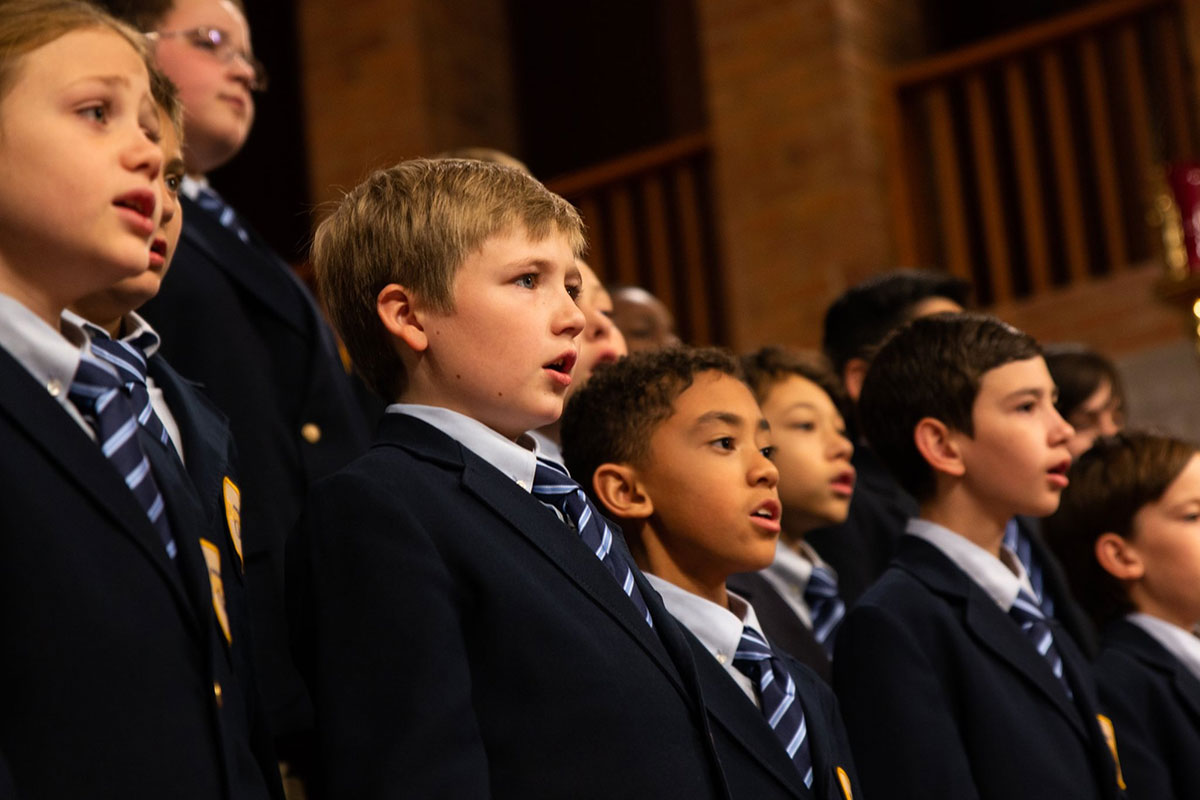
PBC Artistic Staff Brings In-Depth Musical Education Experience
Our Artistic Staff together boasts more than 150 years of music education experience that is applied to teach our boys. Each member of our Artistic Staff has the education and experience to give each boy a top-notch musical education and all the skills necessary to be a professional performer on the stage and in life.
Alumni Go On To Do Great Things
The Alumni of the Phoenix Boys Choir go on to do great things in life. Many of our graduates continue in the field of music, performing arts and musical education. Several have attended Ivy League schools. Many of our Alumni have returned as members of our Artistic Staff, volunteers and chaperones.
Life Skills Taught Through the Vehicle of Choir
Our program not only teaches reading music and sight-singing but we also teach foreign language texts and part-singing. These skills teach:
- Teamwork
- Self-Management
- Professional Stage Presence
- Social Etiquette
These skills are essential to leaders and successful individuals for life.
It’s Fun!
Our curriculum makes the process of learning music fun. Boys come to rehearsal excited! Parents are included as well. There is a large sense of community among the families, with picnics and pot lucks, the whole family will enjoy their time with us.
Building Self-Confidence
Our curriculum focuses on the basic skills needed to create strong, confident young men. When a boy begins the program in the Training Choir, they learn good posture, performance poise and etiquette. As they progress to the Cadet Choir, Town Choir and they develop a more polished stage presence and professional performance skills.
Lifetime Experiences and Friendships
During the time a boy spends in the Phoenix Boys Choir they form strong friendships with the other boys in the program. Those friendships last a lifetime. These friendships grow during rehearsal, performances and while on tour.
Graduates Speak: Testimonials from Our Accomplished Alumni
HOW THE CHOIR ENRICHES OVERALL EDUCATION
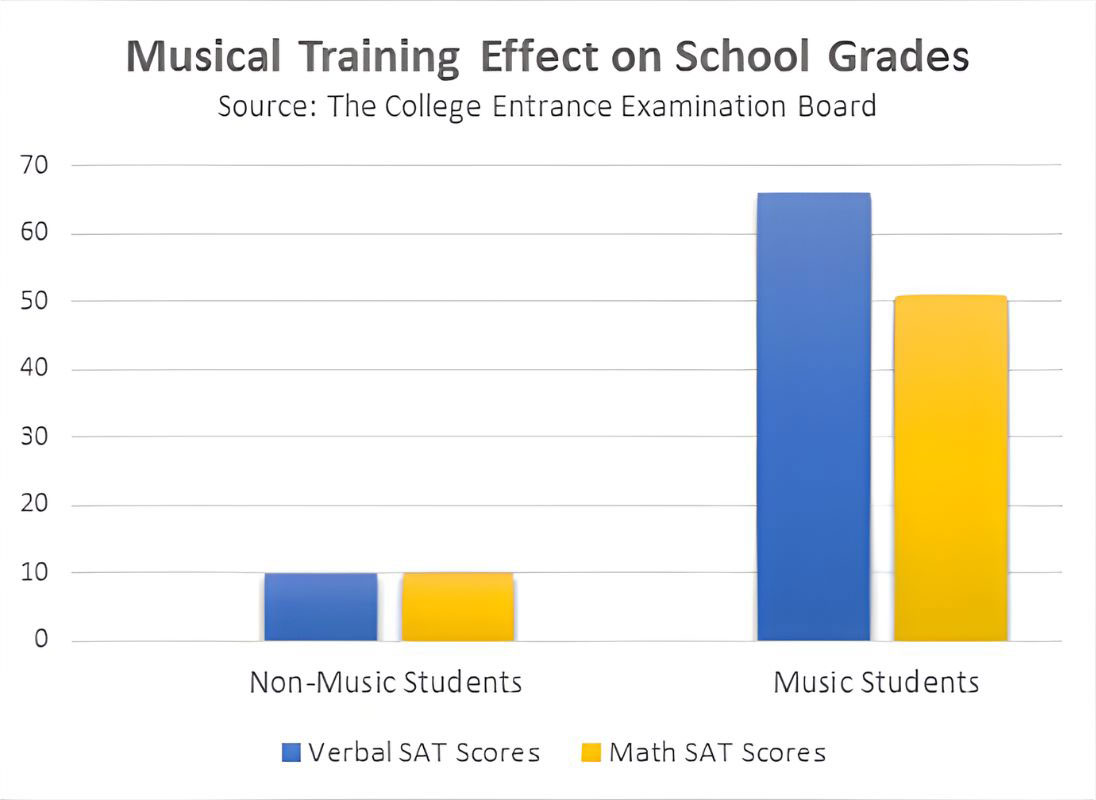
- Choristers who study music performance score 57 points higher on the verbal and 41 points higher on the math on the SAT than non-music choristers. (Source: The College Entrance Examination Board).
- Choristers who report consistent, high-level involvement in music over the middle and high school years show significantly higher levels of mathematics proficiency by grade 12. (Source: Champions of Change: The Impact of the Arts on Learning)
- Music training improves scores in spatial-temporal reasoning used in higher levels of science and math. (Source: Keeping Mozart in Mind)
- Choristers in high-quality school music programs score higher on standardized tests compared to choristers in schools with deficient music education programs, regardless of the socioeconomic level of the school or school district. (Source: Journal of Research in Music Education)
- A correlation exists between the amount of music training and the amount of improvement in reading fluency in children. (Source: Learning, Arts and the Brain)
- Music activities engage both the left and right hemisphere of the brain. In fact, studying music involves more right- and left-brain functions than any other activity measured. (Source: Good Music, Brighter Children)
Music can shape the lives of youth by readying choristers for learning by helping to develop their basic mental skills and capacities including fostering superior working memory and cultivates better thinking skills.
Choristers who participate in musical education also see higher academic achievement, particularly:
- Improves recall and retention of verbal information.
- Advances math achievement.
- Boosts reading and English language arts and,
- Increases average SAT scores
Musical education also develops the creative capacities for lifelong success by:
- Sharpening choristers attentiveness
- Strengthens perseverance
- Develop originality and flexibility, components of creativity and innovation
- Supports better study habits and self-esteem

Learn more about how music education helps choristers learn, achieve and succeed in Music Matters by the Arts Education Partnership.
Thousands of scientific and academic studies have shown that music education improves academic achievement, builds communication skills, fosters creativity, develops teamwork and increases engagement in school.
QUICK FACTS
Music improves IQ. A 2004 study by E. Glenn Schellenberg, a University of Toronto psychology professor, assessed the impact music has on IQ scores. He randomly assigned 132 first-graders to keyboard, singing or drama lessons, or no lessons at all. The IQ scores of the music choristers increased more than those of the other groups. Check out this Wall Street Journal article that discusses this and other benefits of musical education Music training boosts IQ, focus and persistence
Choristers who studied music performance and music appreciation scored higher on the SAT than choristers with no arts participation. Choristers in music performance scored 57 points higher on the verbal and 41 points higher on the math, and choristers in music appreciation scored 63 points higher on verbal and 44 points higher on the math. (Source: The College Entrance Examination Board).
Musicians have structurally and functionally different brains compared with non-musicians. In particular, the areas of the brain used to process music are larger or more active in musicians. Even just starting to learn a musical instrument changes the neurophysiology of the brain. (Source: Johns Hopkins Brain Science Institute)
Choristers who report consistent, high-level involvement in instrumental music over the middle and high school years show significantly higher levels of mathematics proficiency by grade 12. (Source: Champions of Change: The Impact of the Arts on Learning)
Music training improves scores in spatial-temporal reasoning used in higher levels of science and math. (Source: Keeping Mozart in Mind)
Choristers in high-quality school music programs score higher on standardized tests compared to choristers in schools with deficient music education programs, regardless of the socioeconomic level of the school or school district. (Source: Journal of Research in Music Education)
A correlation exists between the amount of music training and the amount of improvement in reading fluency in children. (Source: Learning, Arts and the Brain)
Music activities engage both the left and right hemisphere of the brain. In fact, studying music involves more right- and left-brain functions than any other activity measured. (Source: Good Music, Brighter Children)
For more information on why schools need music education, please download The Benefits of the Study of Music published by The National Association for Music Education.
Other reads:
“Is Music the Key to Success?” by the New York Times
The Benefits of Musical Education: The Benefits to the Brain Cognitive Development by VH1 Save the Music Foundation
How To Make Your Kids Smarter: 10 Steps Backed By Science TIME Magazine
Should everyone be required to learn a musical instrument?